
Lattice LCMXO2-2000HC-5BG256C: A Comprehensive Technical Overview of the Low-Cost FPGA
In the competitive landscape of programmable logic, the Lattice LCMXO2-2000HC-5BG256C stands out as a compelling solution for designers seeking a balance of capability, power efficiency, and cost-effectiveness. As a member of Lattice Semiconductor's renowned MachXO2™ family, this device is engineered to serve a wide array of applications, from system control and interface bridging to consumer electronics and portable devices.
Architectural Prowess and Core Features
At the heart of this FPGA lies a high-performance, low-power programmable fabric built on a 65nm embedded flash process. This technology is fundamental to its value proposition, enabling instant-on operation, high levels of integration, and single-chip convenience by eliminating the need for an external boot PROM.
The "2000" in its nomenclature refers to its logic density, equating to approximately 2112 Look-Up Tables (LUTs). This provides ample resources for implementing complex state machines, glue logic, and various interface protocols. The device is packaged in a 256-ball caBGA (5BG256C) package, which offers a robust and compact footprint for space-constrained PCB designs.
A significant strength of the MachXO2 series is its rich set of hardened system-level blocks. The LCMXO2-2000HC integrates:
Embedded Block RAM (EBR): Offering up to 87 kbits of fast, on-chip memory for data buffering and FIFO operations.
Distributed RAM: Effectively utilizing LUTs to create additional, flexible memory resources.
User Flash Memory (UFM): A dedicated non-volatile storage block (up to 256 kbits) perfect for storing system configuration data, user settings, or small boot code.
Pre-Engineered Source Synchronous I/O: Comprehensive support for common interfaces like I²C, SPI, and timer/counters is built-in, reducing design time and logic resource consumption.
Power and Performance Profile
The device is architected for ultra-low power consumption, a critical feature for battery-powered and thermally sensitive applications. Its flash-based technology ensures that static power is minimal. Furthermore, it supports 1.2V, 1.5V, 1.8V, 2.5V, and 3.3V supply voltages for its banked I/O structure, providing exceptional flexibility for interfacing with a multitude of other components in a system. The " -5 " speed grade denotes a competitive performance level suitable for a broad range of control-oriented applications.
Target Applications
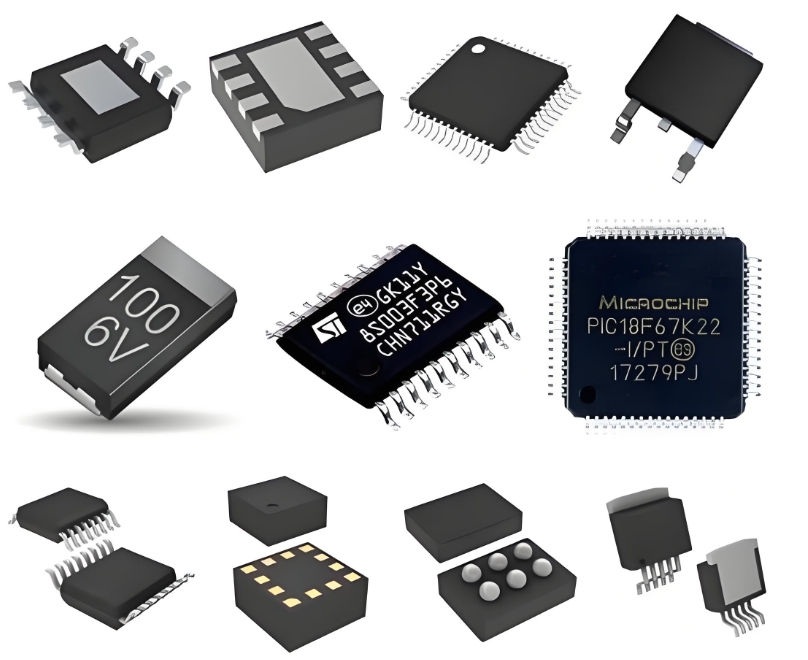
The combination of low cost, low power, and integrated features makes the LCMXO2-2000HC-5BG256C ideal for numerous functions:
System Management and Control: Acting as a programmable system controller in larger computing systems or PC motherboards.
Interface Bridging: Seamlessly translating between different voltage levels and protocols (e.g., translating between SPI and I²C, or parallel to serial).
I/O Expansion: Mitigating pin-count limitations for larger microprocessors or ASICs.
Consumer Electronics: Used in smart devices, displays, and other applications where cost and power are paramount.
Development Ecosystem
Lattice supports the MachXO2 family with a robust and free development toolchain, the Lattice Diamond® software, and the more recent Lattice Radiant® software. This, combined with affordable hardware evaluation boards and reference designs, significantly lowers the barrier to entry and accelerates the prototyping and development process.
The Lattice LCMXO2-2000HC-5BG256C is a quintessential example of a highly optimized FPGA that successfully delivers a powerful feature set at a disruptive price point. Its non-volatile, instant-on architecture, combined with its low-power profile and rich mix of hardened IP, makes it an indispensable component for modern digital design where efficiency and cost are non-negotiable. It empowers designers to add sophisticated programmability and integration without compromising their budget or power envelope.
Keywords:
1. Low-Cost FPGA
2. Non-Volatile
3. Ultra-Low Power
4. System Control
5. Interface Bridging

