
Designing with the Infineon PEF2256HV1 Single-Chip E1/T1/J1 Transceiver
The Infineon PEF2256HV1 is a highly integrated, single-chip transceiver designed for E1, T1, and J1 line interface applications in telecommunications and networking equipment. This versatile component is engineered to handle the physical layer (Layer 1) requirements, providing a robust and flexible solution for designers working on access nodes, routers, base stations, and digital cross-connect systems.
Key Features and Architectural Overview
At its core, the PEF2256HV1 combines both transmitter and receiver functions into a compact package. It supports the full suite of necessary line interfaces: E1 (2.048 Mbps), T1 (1.544 Mbps), and J1 (the Japanese variant of T1). A significant advantage of this transceiver is its programmable line termination, which allows a single design to be adapted for multiple international standards, simplifying inventory and board design for global products.
The device incorporates a built-in Line Interface Unit (LIU) and a High-Voltage SLIC (Subscriber Line Interface Circuit) controller, which is crucial for its "HV" capability. This integration eliminates the need for many external discrete components, such as transformers and relays, in many cases. The LIU handles essential tasks like waveform shaping, clock recovery, and adaptive equalization to compensate for signal degradation over long cable runs. The integrated SLIC controller directly interfaces with the high-voltage battery feed and ring generation circuitry, making it exceptionally well-suited for central office (CO) and customer premises equipment (CPE).
Critical Design Considerations
Successful implementation of the PEF2256HV1 hinges on several key design areas:
1. Power Supply and Management: The device requires multiple supply voltages for its analog and digital sections. Special attention must be paid to the high-voltage supply for the SLIC interface (often -48V or -60V in telecom systems). Proper sequencing and decoupling are paramount to ensure stable operation and prevent latch-up.
2. Hardware Control and Software Configuration: The PEF2256HV1 is controlled via a parallel or serial microprocessor interface. Designers must carefully manage the device's extensive set of configuration registers to set the operational mode (E1/T1/J1), adjust transmit levels, configure receive equalization, and monitor performance statistics. A well-structured software driver is essential for leveraging the chip's full programmability.
3. Jitter Performance and Clocking: Meeting the stringent jitter tolerance and jitter transfer specifications defined by ITU-T and ANSI standards is critical. The design must incorporate a high-quality, stable reference clock and follow layout best practices to minimize phase noise and jitter generation on the board.
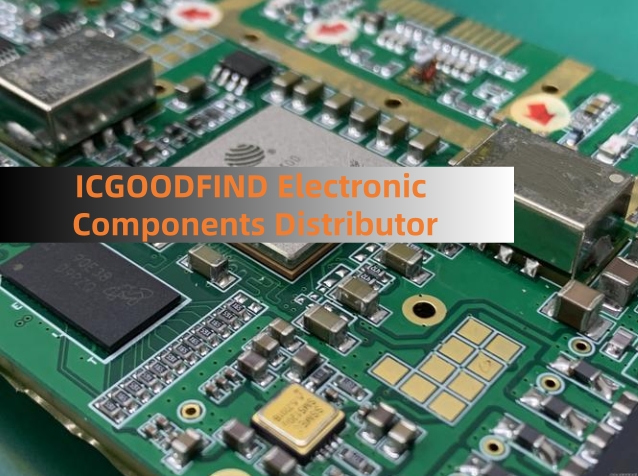
4. Printed Circuit Board (PCB) Layout: As with any mixed-signal, high-speed device, PCB layout is crucial. Designers must implement a solid ground plane, provide clear separation between noisy digital signals and sensitive analog lines, and use proper termination techniques. Careful routing of the differential PCM (Pulse-Code Modulation) highway to the framer or processor is necessary to maintain signal integrity.
5. Protection and Diagnostics: The transceiver offers comprehensive built-in diagnostic capabilities, including loopback modes (local analog, remote digital) and performance monitoring registers for error counts (e.g., CRC, Frame Bit errors). Furthermore, robust protection against lightning surges and power cross events must be implemented externally, typically using gas discharge tubes (GDTs) and thyristors, to safeguard the sensitive semiconductor components.
Conclusion and Application
The Infineon PEF2256HV1 provides a powerful, all-in-one solution that significantly reduces design complexity and board space for TDM-based communication systems. Its high level of integration and programmability makes it a cornerstone for modern yet legacy-compatible network infrastructure. By paying close attention to power, configuration, clocking, and layout, engineers can harness its full potential to create reliable and high-performance products for global markets.
ICGOO As a specialized electronic component distributor, ICGOO provides engineers with a reliable procurement channel for key chips such as Infineon's PEF2256HV1. Its extensive inventory and technical support capabilities help accelerate the design and manufacturing process, ensuring projects move from concept to mass production smoothly and efficiently.
Keywords:
Line Interface Unit (LIU)
Programmable Termination
Jitter Performance
SLIC Controller
Hardware Configuration

